
Introduction
Higher education plays an essential role in developing knowledge, professional skills, and opportunities for personal growth. Choosing the right university can influence a student’s academic experience, career direction, and long-term professional development.
Grand Valley State University (GVSU) is a public university located in West Michigan, United States. Established in 1960, the institution offers undergraduate and graduate educational opportunities across a wide range of academic disciplines.
The university combines classroom instruction, research, practical experiences, and community engagement to support student development. Its academic environment encourages students to explore their interests, develop critical thinking abilities, and prepare for changing professional industries.
This comprehensive guide explores Grand Valley State University, its academic programs, campus environment, research opportunities, admissions preparation, and career development resources.
Overview of Grand Valley State University
Grand Valley State University was established in response to the need for a public four-year college in West Michigan.
Over the years, the institution has developed into a comprehensive university with multiple academic colleges and schools.
GVSU offers educational opportunities across disciplines such as business, engineering, computer science, healthcare, education, arts, humanities, and social sciences.
Its educational philosophy emphasizes excellent teaching, active scholarship, and public service.
The university serves a diverse student community and encourages students to develop knowledge that can contribute to professional industries and society.
Academic Programs and Degree Opportunities
Choosing an academic program is one of the most important decisions students make when preparing for higher education.
Grand Valley State University provides a broad selection of undergraduate and graduate programs. Students can explore different fields based on their interests, academic strengths, and future career objectives.
Business Administration and Management
Business education helps students understand how organizations operate, manage resources, and respond to changing market conditions.
Students interested in business can explore subjects such as:
- Accounting.
- Finance.
- Marketing.
- Management.
- Business administration.
- Economics.
- Supply chain management.
- Entrepreneurship.
These subjects help students understand financial decisions, organizational leadership, business planning, and professional communication.
Graduates may pursue opportunities in corporate management, banking, consulting, marketing, financial services, and entrepreneurial ventures.
Computer Science and Information Technology
Technology is an important part of modern business operations, communication, scientific research, and industrial development.
Computer science programs introduce students to programming, software development, algorithms, computing systems, and technical problem-solving.
Related fields may include:
- Artificial intelligence.
- Cybersecurity.
- Data science.
- Software engineering.
- Information technology.
- Computer engineering.
Students can improve their technical abilities through programming projects, practical assignments, collaborative development, and research activities.
These skills can support career opportunities in technology companies, financial institutions, healthcare organizations, and other industries that depend on digital systems.
Engineering and Applied Sciences
Engineering education focuses on using mathematics, science, and technical knowledge to solve practical problems.
Students interested in engineering can investigate different areas, including electrical engineering, mechanical engineering, biomedical engineering, and other applied disciplines.
Engineering programs generally combine classroom learning with laboratory activities, technical assignments, design projects, and research.
These experiences help students understand how scientific principles are used to develop products, systems, infrastructure, and technological solutions.
Healthcare and Health Sciences
Healthcare education prepares students to understand medical services, patient needs, health systems, and community wellness.
GVSU offers educational opportunities in several health-related areas.
Students may explore subjects such as:
- Nursing.
- Allied health sciences.
- Biomedical sciences.
- Public health.
- Occupational therapy.
- Physical therapy.
- Healthcare-related research.
Professional healthcare careers often require specialized education, clinical preparation, examinations, or licensing.
Students should review the specific requirements of their intended profession before selecting a degree.
Education and Teaching
Education programs prepare students to understand teaching strategies, learning development, educational environments, and student support.
Students interested in teaching can explore educational theories, curriculum development, instructional methods, and classroom management.
Education also involves understanding how individuals learn and how different teaching approaches can support academic development.
Graduates may pursue opportunities in schools, educational organizations, instructional services, and other learning environments, depending on their qualifications.
Arts, Humanities, and Communication
Arts and humanities provide opportunities to develop creativity, cultural understanding, communication, and critical thinking.
Students can explore areas such as English, history, philosophy, visual arts, music, theatre, and communication.
These disciplines help students develop abilities that can be useful across a wide range of professions.
Strong writing, research, presentation, and analytical skills are valuable in education, media, public relations, business, and professional services.
Social Sciences and Human Behavior
Social sciences focus on understanding individuals, communities, institutions, and human behavior.
Students interested in this field can explore subjects such as psychology, sociology, anthropology, political science, and criminal justice.
These areas encourage students to analyze social issues, understand human interactions, and evaluate information through research.
Social science education can support professional pathways in community services, education, research, public administration, and related fields.
Understanding the GVSU Campus Environment
Grand Valley State University provides students with different campus environments across West Michigan.
Its primary academic locations include Allendale and Grand Rapids, along with additional university facilities and learning locations.
Allendale Campus
The Allendale campus provides a traditional university environment.
Students can access academic buildings, residence facilities, libraries, recreational resources, and spaces for student organizations.
The campus supports a wide range of academic activities and provides opportunities for students to participate in university life.
Residential facilities also allow students to build social connections and become involved in the campus community.
Grand Rapids Campus
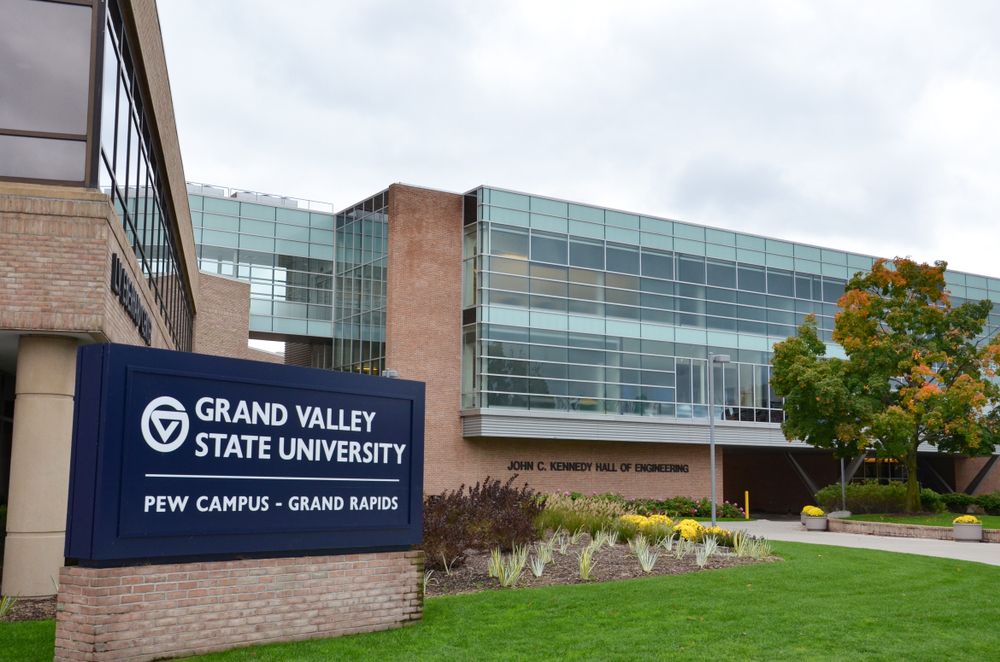
The university’s Grand Rapids locations provide an urban academic environment.
These locations support educational activities in areas such as healthcare, business, engineering, and other professional disciplines.
Studying in an urban setting can provide students with opportunities to connect their education with professional industries, community organizations, and regional resources.
Learning and Community Environment
The university’s campus structure allows students to experience different learning environments depending on their academic interests.
Campus facilities, student organizations, academic services, and community activities contribute to a broader educational experience.
Students should research the location of their specific program before making decisions about accommodation and transportation.
Research and Experiential Learning
Research is an important part of higher education because it encourages students to investigate questions, evaluate evidence, and develop new knowledge.
Grand Valley State University supports academic scholarship and student involvement in research activities.
Depending on their academic program, students may have opportunities to participate in:
- Faculty-guided research.
- Laboratory projects.
- Scientific investigations.
- Community-based research.
- Academic presentations.
- Collaborative assignments.
- Professional internships.
- Applied learning activities.
Research experiences help students develop analytical abilities, attention to detail, and problem-solving skills.
They also provide opportunities to explore subjects beyond regular classroom assignments.
Students interested in research should communicate with faculty members and academic departments to learn about available opportunities.
Admissions and Application Preparation
The university application process requires students to understand academic requirements, application deadlines, and supporting documentation.
Students should begin by identifying the programs that match their educational background and future interests.
The general preparation process includes:
- Researching available academic programs.
- Reviewing admission requirements.
- Preparing academic transcripts.
- Completing the appropriate application.
- Submitting required documents.
- Reviewing financial aid opportunities.
- Monitoring application updates.
Graduate applicants may have additional requirements depending on their chosen degree.
International applicants should also review English-language proficiency requirements, international academic credentials, and relevant immigration procedures.
Admission policies can vary between programs and applicant categories. Students should always use official GVSU resources for current information.
Student Life and Extracurricular Activities
University life is not limited to classroom instruction.
Students can develop personal and professional skills by participating in student organizations, cultural activities, recreational programs, and community initiatives.
Extracurricular activities provide opportunities to meet people with similar interests and develop relationships with students from different backgrounds.
Participating in clubs and organizations can also improve:
- Leadership abilities.
- Teamwork.
- Communication.
- Event planning.
- Time management.
- Organizational skills.
Students should consider activities that complement their academic interests while maintaining a healthy balance between education and personal responsibilities.
Online Learning and Flexible Education
Modern higher education increasingly includes different instructional formats.
Depending on the program, students may encounter traditional classroom learning, hybrid instruction, online courses, and other flexible learning arrangements.
Online education can help students access educational resources and complete eligible coursework through digital platforms.
Hybrid learning combines in-person instruction with online educational activities.
Before selecting a program, students should investigate its delivery format, attendance expectations, technology requirements, and practical training components.
Not every degree is available through every learning format, so program-specific information is important.
Scholarships and Financial Planning
University expenses should be considered before making an enrollment decision.
Students should prepare a budget that includes tuition, accommodation, meals, transportation, books, learning materials, and personal expenses.
Financial assistance may help eligible students manage the cost of higher education.
Potential options include:
- Academic scholarships.
- Merit-based awards.
- Need-based assistance.
- Eligible grants.
- External scholarships.
- Student employment opportunities.
International students should review funding opportunities that apply to their applicant category.
A financial plan helps students understand their responsibilities and make more informed educational decisions.
Career Development and Employment Opportunities
Higher education can create a foundation for professional development, but students also need practical skills and industry awareness.
Career preparation should begin during university rather than after graduation.
Students can strengthen their employment prospects through internships, professional networking, research, academic projects, and career guidance.
Important professional skills include:
Communication: The ability to present ideas clearly through speaking and writing.
Critical thinking: Evaluating information and making informed decisions.
Technical knowledge: Understanding the tools and technologies relevant to a chosen profession.
Teamwork: Working effectively with people from different backgrounds.
Adaptability: Responding to changing professional environments.
Problem-solving: Identifying challenges and developing practical solutions.
Building these abilities during university can help graduates prepare for different employment opportunities.
Study Abroad and Global Learning Opportunities
International education can provide students with a broader understanding of different cultures, academic systems, and professional environments.
Study abroad experiences allow students to explore educational opportunities in other countries while developing independence and cultural awareness.
International learning can improve communication, adaptability, and problem-solving skills.
Students interested in global education should investigate exchange opportunities, eligibility requirements, program costs, and academic credit arrangements.
These experiences can also help students develop international professional connections.
Tips for Choosing the Right University Major
Choosing a major should involve thoughtful research and realistic planning.
Students should consider their personal interests, academic abilities, professional ambitions, and the structure of available degree programs.
The following steps can help:
- Identify subjects that match your interests.
- Research career opportunities connected to different degrees.
- Compare course structures and specializations.
- Investigate internship and research opportunities.
- Consider tuition and living expenses.
- Seek advice from academic advisors.
- Review the qualifications required for your preferred profession.
A well-planned academic decision can help students remain motivated and develop a clearer professional direction.
Lifelong Learning and Professional Growth
Learning continues long after university graduation.
Professional industries change because of technology, research, market developments, and new workplace expectations.
Graduates can remain competitive by participating in professional training, certification programs, workshops, postgraduate education, and online learning.
Lifelong learning encourages individuals to improve existing abilities and develop new knowledge throughout their careers.
It also helps professionals respond to changing responsibilities and explore new opportunities.
Frequently Asked Questions
What is Grand Valley State University?
Grand Valley State University is a public university located in West Michigan, United States. It was established in 1960.
Where is GVSU located?
The university’s primary campus is in Allendale, Michigan, with additional academic locations in Grand Rapids and other regional facilities.
What academic programs does GVSU offer?
GVSU offers programs in business, computer science, engineering, healthcare, education, arts, humanities, social sciences, and many other disciplines.
Does GVSU offer graduate degrees?
Yes. The university offers graduate-level educational opportunities across multiple academic fields.
Does Grand Valley State University provide online learning?
GVSU offers online and other flexible learning opportunities for eligible courses and programs. Availability depends on the specific academic offering.
Why is research important for university students?
Research helps students develop critical thinking, analytical abilities, practical knowledge, and an understanding of how academic concepts are applied to real-world challenges.
Are scholarships available at GVSU?
Students can investigate university scholarships and other eligible financial assistance opportunities. Eligibility depends on individual circumstances and funding requirements.
What makes practical learning valuable?
Practical learning allows students to apply theoretical knowledge, develop professional abilities, and gain experience relevant to their future careers.
Conclusion
Grand Valley State University offers a broad educational environment for students interested in academic development, research, and professional preparation.
Its undergraduate and graduate programs cover multiple disciplines, including business, engineering, computer science, healthcare, education, humanities, and social sciences.
Students considering GVSU should carefully investigate academic options, admission requirements, financial planning, and opportunities for practical experience.
A successful university experience involves more than earning a degree. It requires developing useful skills, exploring professional interests, building meaningful connections, and maintaining a commitment to lifelong learning.
With thoughtful academic planning and active participation in educational opportunities, students can establish a strong foundation for personal growth and future professional success.
This article is an independent educational overview and is not an official publication of or affiliation with Grand Valley State University.