
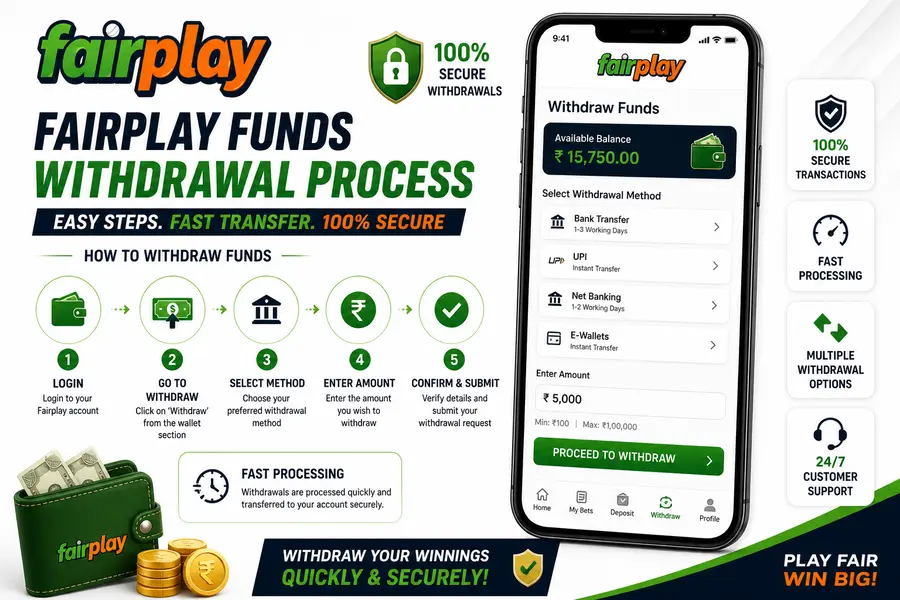
Managing online financial transactions requires careful attention to security, payment details, and applicable regulations. Depositing or withdrawing funds through an unfamiliar platform can involve risks, including incorrect transfers, unauthorized payment requests, and delayed processing. For users researching Fairplay, understanding safe transaction practices is important before sharing banking information or transferring money. Payment methods, account requirements, and withdrawal conditions may vary depending on the operator and jurisdiction. This article explains how to evaluate deposit and withdrawal procedures, recognize common transaction problems, and protect personal financial information while using online account services.
Understanding Fairplay Deposits and Withdrawals
Fairplay deposits and withdrawals refer to financial transactions associated with an account on the platform.
A deposit generally involves transferring funds into an account, while a withdrawal involves requesting the transfer of an eligible balance to an approved payment destination.
However, available payment methods, transaction limits, processing times, and fees must be confirmed through current official information.
Users should never assume that advertised payment features are authorized or available in their location.
What to Check Before Depositing Funds
Before initiating any transaction, verify the platform’s identity, legal status, and applicable financial conditions.
Review the published payment methods, minimum and maximum transaction amounts, potential charges, and refund procedures.
Confirm that the intended recipient belongs to an authorized payment arrangement. Avoid transferring money to unfamiliar personal accounts or contacts claiming to represent the platform.
How to Evaluate a Deposit Process Safely
Step 1: Verify the Website
Open the authentic website using a trusted browser and carefully inspect its address.
Avoid payment links received through unsolicited messages, unofficial groups, or suspicious advertisements.
Step 2: Review Available Payment Options
Check which payment methods are actually supported and whether they are permitted for the intended transaction.
A displayed payment logo does not automatically establish an authorized relationship with the payment provider.
Step 3: Confirm Payment Information
Before authorizing any transfer, review the recipient’s identity, transaction amount, and applicable conditions.
Never share your banking password, UPI PIN, or one-time verification code with another person.
Step 4: Keep Transaction Records
If a lawful transaction is completed, retain the payment confirmation and reference number.
These details can help when contacting the payment provider about an unexpected delay or disputed transfer.
Understanding the Withdrawal Process
Withdrawal procedures depend on the platform’s policies, account verification requirements, and supported payment arrangements.
Before requesting a withdrawal, review eligibility conditions, processing times, fees, and any applicable restrictions.
Do not assume that an account balance can always be transferred immediately.
How to Handle Withdrawal Requests Safely
Verify Account Requirements
Check whether identity verification or additional account confirmation is required.
Submit sensitive information only through legitimate, secure channels and avoid sending identification documents to unknown contacts.
Confirm the Receiving Account
Ensure that the receiving bank account or payment destination is accurate and belongs to an eligible recipient.
Incorrect information may delay processing or result in unsuccessful transfers.
Monitor the Transaction Status
After submitting an authorized withdrawal request, review any confirmation or reference number provided.
If processing takes longer than the published timeframe, contact verified customer support for clarification.
Common Deposit and Withdrawal Problems
Pending Transactions
Payments may remain pending because of banking delays, network interruptions, or service-side processing issues.
Check the transaction status through your bank or payment application before attempting another transfer.
Incorrect Payment Details
Mistyped account information or incorrect recipient details can prevent successful processing.
Review all financial information carefully before approving a transaction.
Unexpected Additional Charges
Be cautious if someone demands an unlisted payment to release funds or complete a withdrawal.
Such requests can indicate fraud, particularly when made through unofficial messaging channels.
Important Financial Security Practices
Use strong passwords, protect payment credentials, and monitor account activity regularly.
Avoid conducting sensitive transactions through unfamiliar devices or suspicious websites.
Before transferring money through Official Fairplay, verify its legal eligibility, payment policies, consumer protections, and available dispute-resolution procedures.
Conclusion
Safe deposits and withdrawals require more than selecting a convenient payment method.
Users considering Fairplay should verify the operator, understand transaction conditions, confirm recipient details, and protect financial credentials.
Careful verification and accurate recordkeeping can reduce avoidable risks, although no online financial transaction is completely free from potential problems.